Beyond the Hype: What the Clawdbot Saga Teaches Us About the Future of AI Agents
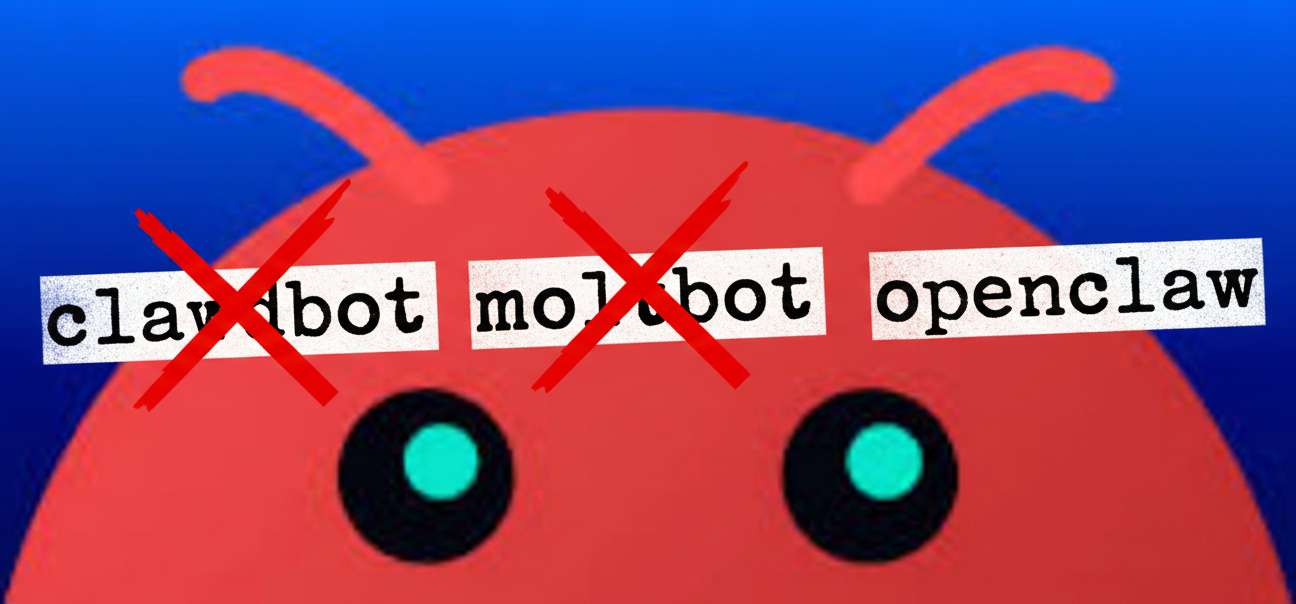
If you’ve been following the AI space recently, you’ve likely watched the chaotic, fascinating, and slightly terrifying rise of a project that changed names three times in one week: Clawdbot, which became Moltbot, and is now known as OpenClaw.
While the internet was captivated by the trademark drama and the "space lobster" mascot, something much more important was happening beneath the surface. We were witnessing the first mass adoption of Agentic AI—artificial intelligence that doesn't just talk, but acts.
As an educator and technology integrator, I believe this shift is critical for businesses and institutions to understand. Here is the story of how a weekend project forced the tech industry to rethink AI, and what it means for your organization.
What Was Clawdbot and Why Did It Explode?
In late 2025, developer Peter Steinberger released a tool that did something simple but revolutionary: it took the AI out of the browser and put it into your WhatsApp, Telegram, or Discord.
Unlike standard chatbots, Clawdbot (as it was originally known) was "local-first." It ran on your own hardware—a laptop or a secure server—and acted as a gateway.
It became viral for three specific reasons:
- It Lived Where You Lived: You didn't have to log into a website. You just texted your bot like a coworker.
- Privacy & Control: Because it ran locally, your API keys and data stayed with you, not in a black-box cloud.
- Action over Conversation: This is the key differentiator. Clawdbot could be granted permission to do things—check your calendar, organize files, or run system scripts.
It wasn't just a chatbot; it was a digital employee.
The "Molt" and the Rebrand
Success brings scrutiny. The name "Clawdbot" (and its lobster mascot "Clawd") was a playful nod to Anthropic’s Claude model. However, legal realities set in, leading to a trademark dispute.
The project underwent a rapid, somewhat chaotic rebrand to Moltbot (symbolizing a lobster molting its shell), which was plagued by scammers capitalizing on the confusion. Finally, the project matured into OpenClaw—a stable, open-source framework for building autonomous agents.
Why This Matters for You
The transition to OpenClaw highlights a critical tension in technology integration: Power vs. Security.
OpenClaw allows an AI to read your files and execute commands. In the hands of a trained engineer, this is a productivity superpower. In the hands of an untrained user, it is a massive security vulnerability.
This is where the role of Technology Literacy becomes paramount.
As organizations move from "Chat AI" (using ChatGPT for ideas) to "Agentic AI" (using OpenClaw or similar tools to automate workflows), the trust barrier rises. You are no longer just asking an AI for a recipe; you are giving it the keys to your digital office.
How to Prepare for the Agentic Future
The lesson of OpenClaw is that the tools are ready, but are we? To leverage this technology safely, organizations need:
- Secure Infrastructure: Running local agents requires robust IT security, not just a standard internet connection.
- Permissions Governance: strict protocols on what an AI agent is allowed to access (Read-only vs. Read-write).
- Training: Teams need to understand not just how to prompt an AI, but how to manage an AI agent.
OpenClaw is more than just a viral software story; it is a preview of the next five years of IT. The future belongs to those who can integrate these powerful agents into their workflows without compromising security or trust.