Alarming Suicide Rates are not Attributed to a Single Cause Like AI
Many articles use the reporting from Rest of World and similar investigations into the mental health crisis among many tech workers and blame AI for it. The alarming suicide rates are NOT attributed to a single cause like AI, but rather to a combination of systemic industry pressures, job insecurity, and the traumatic nature of specific AI-related work.
According to the publication's coverage of this crisis, here are the primary factors:
1. The Toll of AI "Ghost Work"
While AI is not "causing" suicides in a vacuum, the Rest of World reporting highlights that India is a major hub for the human labor that powers AI. This includes:
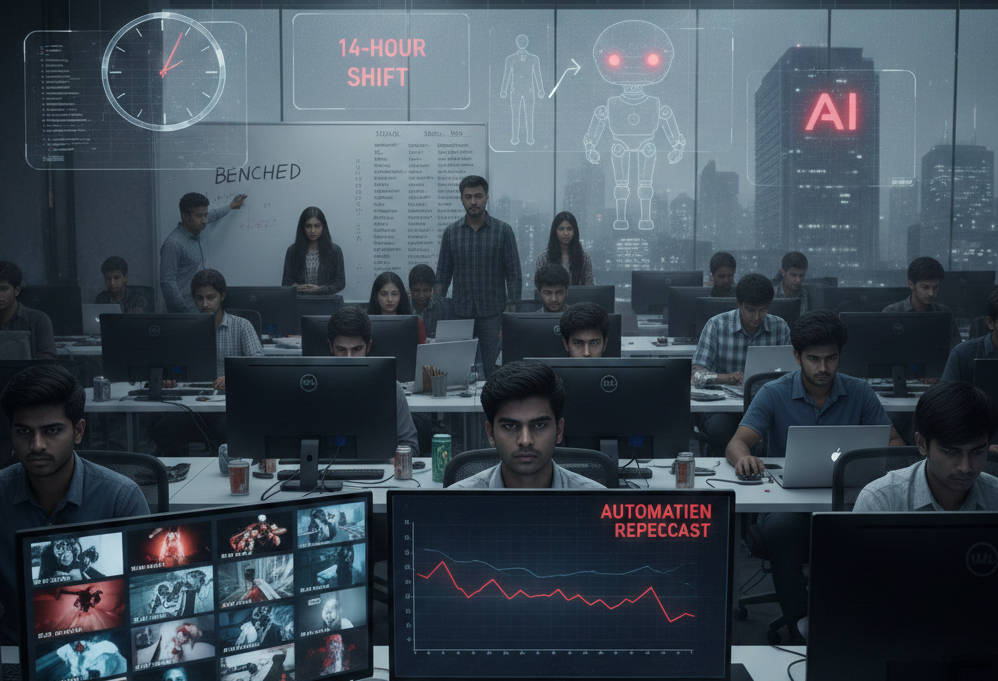
- Traumatic Content Moderation: Workers are often tasked with labeling data to train AI models. This involves viewing thousands of horrific images and videos (including violence and abuse) to teach AI what to filter out. This work is often performed with minimal mental health support, leading to severe PTSD and trauma.
- Low Pay and Precarity: These "data labeling" jobs are often outsourced, low-paying, and offer zero job security, adding financial desperation to the existing psychological toll.
2. Fear of AI Job Replacement
The rapid advancement of generative AI has created a climate of fear regarding job security.
- Skill Obsolescence: Many entry-level coding and software testing jobs—long the backbone of India's tech middle class—are now being automated.
- Extreme Competition: The pressure to "upskill" at an impossible pace to avoid being replaced by AI tools has significantly increased burnout and anxiety among young developers.
3. Toxic Work Culture and "The Bench"
The article and broader reports identify long-standing issues in the Indian IT sector that have been exacerbated by the current tech slowdown:
- Job Insecurity: Large IT firms often place employees on "the bench" (unassigned to projects) before laying them off. Suicide notes from tech workers frequently cite the fear of unemployment and the inability to support their families as the primary driver.
- Overwork: Shifts lasting 12–14 hours are common, and the "hustle culture" in Indian tech hubs like Pune and Bengaluru leaves little room for recovery or mental health care.
The crisis is caused by a toxic intersection of old and new problems. AI is a factor in that it has changed the nature of the work (making it more traumatizing for some) and increased the threat of layoffs, but it is the industry’s lack of worker protections and mental health infrastructure that is ultimately cited as the reason these pressures lead to such tragic outcomes.